Architecture and landscaping
Industrial facilities face a unique challenge: every square metre, every watt of energy, and every structural decision directly affects operational costs and productivity. Architecture and landscaping in the industrial context extends far beyond aesthetics—it encompasses everything from the drainage systems protecting your site during heavy rainfall to the ceiling heights limiting your storage potential.
For facility managers and operations directors across the UK, understanding how these elements interconnect can mean the difference between a site that drains resources and one that maximises every asset. Whether you’re grappling with rising maintenance costs for exterior grounds, considering a mezzanine installation to reclaim vertical space, or questioning whether your HVAC system meets current Part L regulations, the decisions you make shape your operational efficiency for years to come.
This comprehensive resource explores the six critical pillars of industrial architecture and landscaping: exterior grounds management, vertical space optimisation, lean production layouts, climate control systems, industrial lighting, and site infrastructure. Each area offers substantial opportunities for cost reduction and productivity gains—if you know where to look.
Why Does Site Landscaping Affect Your Operational Costs?
The exterior grounds of an industrial facility often receive less attention than internal operations, yet they harbour significant cost implications. Traditional ornamental lawns, for instance, can cost substantially more to maintain than alternative landscape solutions—a figure that compounds annually through labour, water usage, and chemical treatments.
Sustainable Planting Choices
UK native plants offer a compelling alternative to high-maintenance landscaping. Drought-resistant species suited to industrial verges require less irrigation, tolerate poor soil conditions, and reduce ongoing maintenance costs. Beyond cost savings, these choices increasingly align with corporate sustainability targets that many industrial occupiers now track.
Surface Materials and Drainage
The choice between permeable paving and traditional tarmac affects more than aesthetics. Permeable surfaces allow rainwater to filter naturally into the ground, reducing runoff volumes and potentially lowering your contributions to surface water drainage charges. More critically, inadequate drainage represents one of the most common errors that can void industrial insurance policies during flooding events.
Water Management Systems
Rainwater harvesting systems offer dual benefits: reducing mains water consumption for non-potable uses like vehicle washing or site sanitation, whilst simultaneously managing stormwater volumes. Retrofitting these systems to supply washroom facilities has become increasingly viable as water costs rise and sustainability requirements tighten.
The key insight: exterior landscaping decisions made today lock in maintenance costs and regulatory compliance positions for the facility’s lifetime.
How Can Vertical Space Transform Your Storage Capacity?
Many industrial facilities operate with significant untapped potential directly above their heads. The vertical dimension—often overlooked during initial layout planning—represents one of the most cost-effective opportunities to increase capacity without expanding your site footprint.
The Economics of Height Optimisation
External storage rental typically costs considerably more than maximising existing ceiling heights. When you calculate the true expense of off-site warehousing—including transport, handling time, and inventory visibility challenges—investing in vertical solutions often delivers returns within months rather than years.
Mezzanine Floor Considerations
Installing a mezzanine floor can reclaim substantial floor space, but success depends on proper planning. Structural calculations must account for intended loads, and installation timing requires careful coordination with ongoing operations. Critically, certain structural mistakes commonly cause mezzanine installations to fail safety inspections—issues that proper engineering assessment prevents from the outset.
Racking System Selection
The choice between static shelving and mobile racking systems depends on inventory characteristics:
- Static shelving suits high-turnover stock requiring immediate access
- Mobile racking maximises density for slow-moving inventory where access frequency is lower
- Hybrid approaches can optimise different zones based on stock velocity profiles
Installation timing also matters—scheduling racking work during weekends or bank holidays minimises disruption to dispatch operations, though each approach carries different cost and logistical implications.
What Makes a Lean Factory Layout Truly Efficient?
Factory floor layouts evolve organically over time, often accumulating inefficiencies that silently erode margins. Strategic spatial planning using lean principles can eliminate waste whilst improving flow, safety, and operator wellbeing.
Understanding Movement Waste
When parts travel more than 50 metres between workstations, transportation waste accumulates rapidly. Creating a spaghetti diagram—a visual representation of actual movement paths across your facility—often reveals surprising inefficiencies invisible to casual observation. These diagrams transform abstract layout discussions into concrete improvement opportunities.
Cell Configuration Choices
The debate between U-shaped manufacturing cells and straight-line configurations centres on your production model:
- U-shaped cells excel for one-piece flow, enabling operators to manage multiple process stages efficiently
- Straight lines suit batch production where sequential processing dominates
Neither approach is universally superior—the optimal choice depends on your specific product flow characteristics.
Compliance in Dense Layouts
As facilities optimise floor space, fire exit compliance errors become increasingly common. Dense production layouts must maintain adequate egress routes, properly marked exits, and unobstructed access paths. These requirements constrain layout options but protect both personnel and operational continuity.
Managing Layout Changes
Rearranging a factory floor without losing production capacity requires meticulous planning. Weekend changeovers work for smaller modifications, whilst larger transformations may require phased implementations maintaining partial operations throughout.
Is Your Climate Control System Meeting Current Standards?
Industrial HVAC systems face dual pressures: regulatory compliance requirements and energy cost management. Both considerations have intensified recently, making climate control optimisation increasingly valuable.
Part L Compliance Requirements
Building Regulations Part L establishes minimum energy efficiency standards for heating, ventilation, and air conditioning systems. Industrial facilities installing or substantially modifying HVAC equipment must demonstrate compliance—a requirement carrying significant implications for system specification and operational parameters.
Energy Cost Implications
Inefficient HVAC systems directly impact Climate Change Levy obligations. The CCL applies to energy consumption in industrial processes, meaning every kilowatt-hour wasted on inefficient heating or cooling increases both energy bills and levy payments. Heat recovery systems capturing waste heat from extraction systems can reclaim significant energy that would otherwise be lost to atmosphere.
System Architecture Decisions
Facilities face choices between centralised Air Handling Units and decentralised heating solutions. The optimal approach depends heavily on operational patterns:
- Centralised systems suit facilities with consistent, predictable occupancy
- Decentralised heaters offer flexibility for variable shift patterns where different zones require conditioning at different times
Indoor Air Quality
Poor ventilation contributes to chronic health complaints among office staff, affecting productivity and absence rates. HEPA filter maintenance schedules—whether based on pressure drop sensors or calendar intervals—significantly influence air quality consistency. Sensor-based approaches respond to actual filter condition, whilst calendar approaches offer predictability at the cost of potential premature replacement.
How Does Industrial Lighting Impact Productivity and Safety?
Lighting affects far more than visibility. Colour temperature, consistency, and control systems influence alertness, safety, and energy consumption across industrial operations.
Light Temperature and Alertness
Research consistently demonstrates that higher colour temperature lighting—around 5000K—supports alertness during night shifts. This cooler, bluer light suppresses melatonin production, helping workers maintain focus during hours when circadian rhythms would otherwise promote drowsiness.
Fixture Selection Considerations
The choice between high bay and low bay fixtures depends on ceiling heights and required uniformity:
- High bay fixtures suit ceilings above 6 metres, projecting light effectively across greater distances
- Low bay options provide better uniformity in assembly areas with lower ceilings
LED quality varies considerably. Cheap LEDs with poor driver components produce visible flicker that causes headaches and—in extreme cases—can trigger machinery accidents through stroboscopic effects on rotating equipment.
Smart Control Systems
Installing smart dimming capabilities without complete rewiring is increasingly achievable through wireless control systems and driver retrofits. Occupancy sensors reduce energy consumption but require thoughtful placement—sensors must detect forklift drivers and mobile workers, not just stationary occupants at fixed workstations.
Are Your Site Utilities Prepared for Future Demands?
Site infrastructure—power supply, pipework, and utility systems—often constrains expansion possibilities more than building footprint. Understanding these constraints enables proactive planning.
Electrical Capacity Constraints
Your main incomer fuse rating represents a fundamental capacity ceiling. Electric fleet charging, expanded machinery, or additional process loads can quickly exhaust available headroom. Infrastructure assessments before expansion commitment prevent costly surprises during implementation.
Pneumatic and Hydraulic Systems
Pressure drops in compressed air or hydraulic systems degrade tool performance and slow production cycles. Pipework redesign—often involving loop configurations, larger bore sections, or strategic accumulator placement—can restore system performance without compressor upgrades.
Grid Resilience Options
Facilities dependent on continuous power face choices between diesel generators and Battery Energy Storage Systems (BESS):
- Diesel generators provide proven, long-duration backup capacity
- BESS offers instantaneous response, silent operation, and potential grid services revenue
Hybrid approaches increasingly combine both technologies for optimal resilience.
Hidden Infrastructure Costs
Leaking compressed air systems, poorly maintained steam traps, and unreported water losses silently inflate utility bills. Trade effluent charges compound these impacts when contaminated water enters drainage systems. Regular audits identify leaks before accumulated costs become substantial.
Future-Proofing Considerations
Facilities anticipating hydrogen-fuelled processes—whether for furnaces, forklifts, or other applications—benefit from early infrastructure planning. Whilst widespread hydrogen adoption remains evolving, understanding spatial requirements, storage constraints, and supply chain options informs long-term site development strategies.
Industrial architecture and landscaping decisions compound over time—poor choices create ongoing costs whilst strategic investments generate sustained returns. From exterior grounds management through to utility infrastructure planning, each element interconnects with operational efficiency, regulatory compliance, and workforce wellbeing. Whether you’re addressing immediate challenges or planning long-term improvements, the detailed resources within this category provide specific guidance for each topic. Start with your most pressing constraint—the resulting improvements often create capacity to address subsequent priorities.
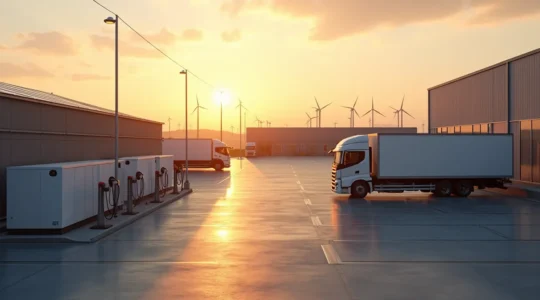
Manufacturing Infrastructure: Is Your Site Power Capacity Ready for Electric Fleets?
Adding electric fleet charging is not a simple add-on; it is a full-scale stress test of your entire site’s utility infrastructure, where the true bottlenecks are often hidden in plain sight. Your main incomer fuse, not just grid capacity, is…
Read more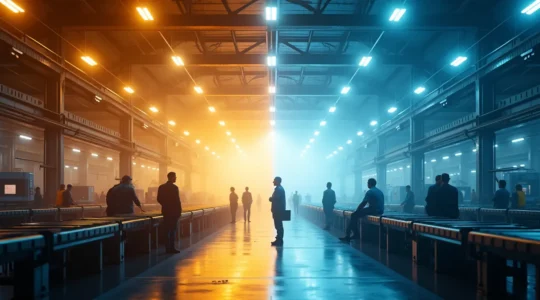
Adaptive Industrial Lighting: Reducing Shift Fatigue and Energy Bills by 30%
Treating industrial light as a strategic biological tool, not just an electrical expense, is the key to unlocking hidden productivity and safety on the factory floor. Tuning light color and intensity to match human circadian rhythms directly combats night shift…
Read more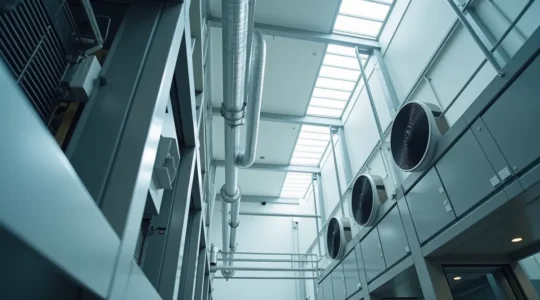
Meeting Part L Regulations: Is Your Industrial HVAC System Legally Compliant?
Achieving Part L compliance for industrial HVAC is less about a single expensive upgrade and more about strategically eliminating system-wide energy losses. Focus on recapturing process heat and optimizing ventilation based on actual use rather than fixed schedules. Adopt a…
Read more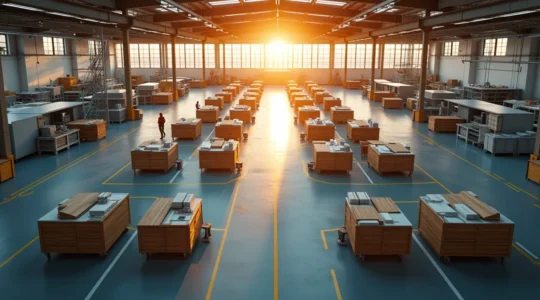
Lean Layouts: Waging War on Waste with Strategic Spatial Planning
Your factory layout isn’t just a floor plan; it’s the frontline in the war against operational waste, where every inefficient step is a direct attack on your profit margin. Unnecessary movement and transportation are not minor inconveniences; they are hidden…
Read more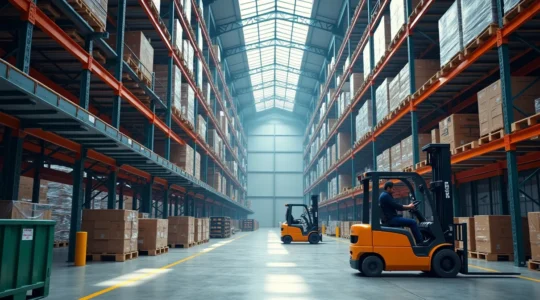
How to Reclaim 25% of Your Floor Space Through Vertical Industrial Fittings?
The key to unlocking 25% more floor space isn’t acquiring more land; it’s monetising the cubic air you already pay for by implementing smart vertical systems. Installing a mezzanine floor can double your capacity but requires precise structural planning to…
Read more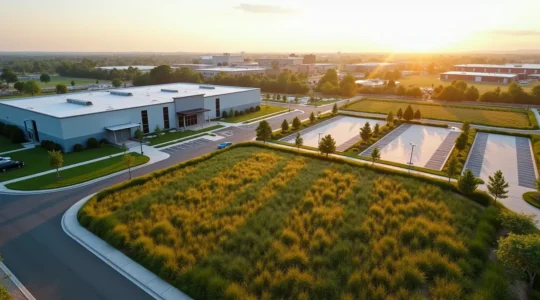
How to Cut Maintenance Costs by 20% with Sustainable Industrial Landscaping?
Sustainable landscaping is the most overlooked lever for reducing OPEX and mitigating financial risk on UK industrial sites. It directly slashes recurring costs like mowing, irrigation, and repairs by replacing high-maintenance ornamental features with resilient, engineered ecologies. It provides critical…
Read moreSustainable design practices transforming industrial architecture
Industrial architecture is undergoing a profound transformation, driven by the urgent need for sustainable design practices. As the global focus on environmental responsibility intensifies, architects and engineers are reimagining industrial spaces to be more eco-friendly, energy-efficient, and human-centric. This shift…
Read moreWhen Should You Conduct an Ergonomic Assessment?
Ergonomic assessments play a crucial role in maintaining a safe, healthy, and productive work environment. As organizations increasingly recognize the impact of workplace ergonomics on employee well-being and productivity, the question of when to conduct these assessments becomes paramount. By…
Read moreWhy efficient layouts matter in industrial operations
Efficient layouts are the backbone of successful industrial operations. They can make the difference between a thriving, productive facility and one that struggles with bottlenecks, inefficiencies, and wasted resources. In today’s competitive manufacturing landscape, optimizing spatial arrangements is not just…
Read more